2026 School Choice Action Playbook: Timeline & Toolkit for US-Born Families
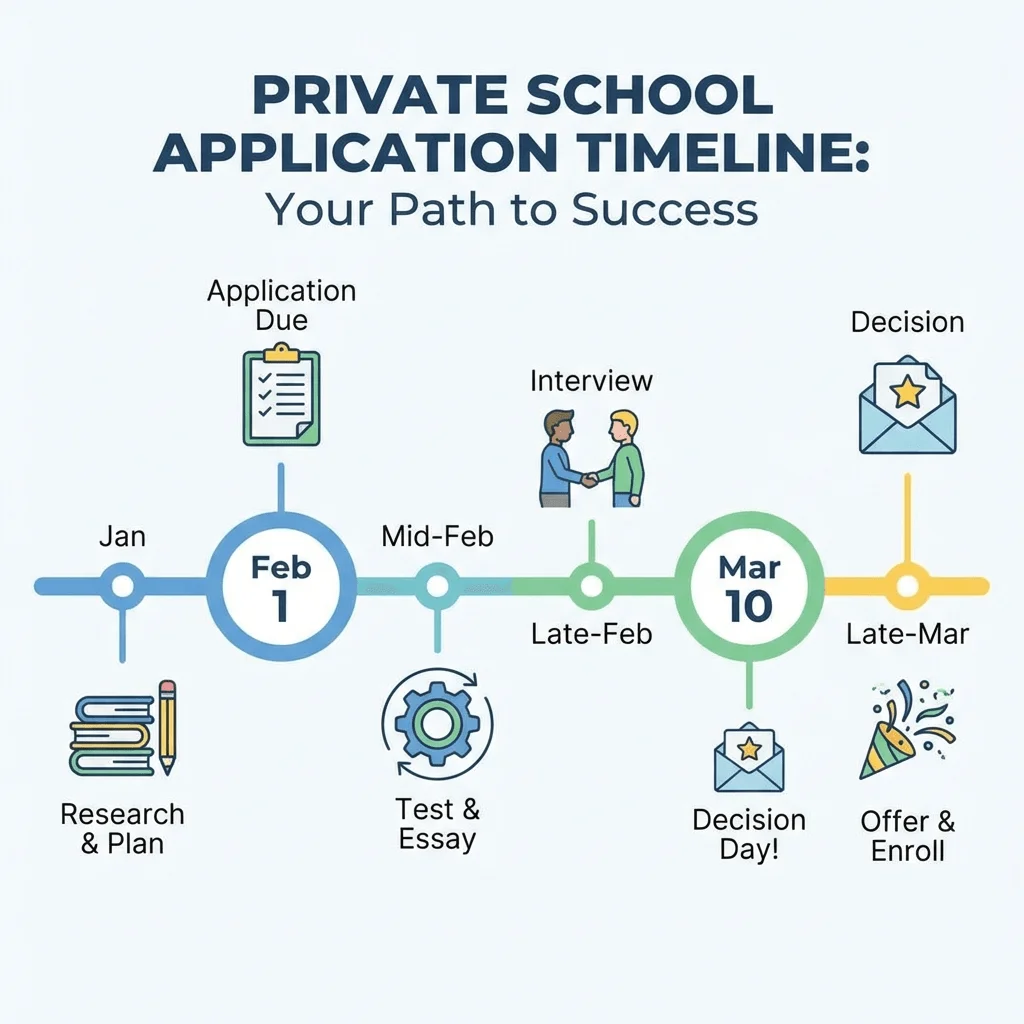
Short answer: San Diego school choice for US-born families is a year-long project, not a sign-up step. Working backward from a fall start, begin strategy and budgeting the summer before, treat September–November as the critical sprint (campus visits, the October–November public School Choice transfer window, and ISEE/SSAT for private targets), then interview over winter and decide in spring. This playbook gives four tools: the 12-month timeline, a school-visit checklist, an after-school-care plan, and a district-home-vs-private cost model.
From insight to action
You understand the enrollment winter. You see through the rankings filter. You've inventoried the underlying private school data. You've mapped out the hidden rules for US-born families. But insight that doesn't translate into action is just sophisticated anxiety.
This piece distills four practical tools for 2026 San Diego school choice: the timeline, the visit checklist, the after-school care strategy, and the financial model. Save it and come back to it.
Tool 1: The 12-month "Golden Timeline"
In San Diego, school choice isn't a "sign up before school starts" task. It's a year-long project. Here's the backward-planned schedule, targeting fall 2026 enrollment:
☀️ Phase 1: Strategy (July – August 2025)
- Family budget assessment: decide whether you're on the "district home + public" track or the "non-hotspot neighborhood + private" track.
- Private school test prep starts: if your target is a top private, start ISEE / SSAT prep now (don't push to fall). Begin sketching your child's "personal story" for the essay.
- Data research: pull the VOSD guide, layer in Niche and GreatSchools, build a Long List of 3-5 target public/private schools.
🍂 Phase 2: Sprint (September – November 2025) ⚠️ Most critical!
- September — Visit Month: public and private schools open up Open Houses and campus tours. This is your only chance to feel the school climate in person (bring the Tool 2 checklist).
- October 1 – November 15 (key): public School Choice (inter-school transfer) window opens. If you want a non-boundary public school, you must apply during this window. Miss it = wait a year.
- October – November: take the ISEE / SSAT (we recommend completing the first attempt by mid-November at the latest).
- Late November: private schools enter Early Decision/Action or regular application peak.
❄️ Phase 3: Interviews & Wait (December 2025 – February 2026)
- December – January: private school interview season. Both parent and student need to prep.
- January – February: submit Financial Aid applications. Many private schools close FA applications during this window.
🌸 Phase 4: Decisions & Settlement (March – May 2026)
- Early-to-mid March: private school notification dates. Public Choice lottery results typically posted February-March.
- Late March – April: sign the private school enrollment contract, pay the deposit.
- April – May: lock down Tool 3 — after-school care registration. This is its own brutal seat-grab fight.
For private school rolling admissions detail: San Diego Private High School Rolling Admissions Timeline.
Tool 2: The school visit checklist (anti-trap edition)
Open House isn't about admiring the architecture. It's about interviewing the principal and the teachers. Stop asking "how many AP courses do you offer" — that's on the website. Put these questions in your phone and ask the admissions officer or principal directly:
Real teaching quality
- "If my child falls behind in reading or math, what's your specific intervention process? Who owns the follow-up?"
- "Over the past three years, what's your teacher turnover rate?" (Frequent teacher turnover is the earliest signal of a school management crisis.)
School culture and bullying
- "When student conflicts or suspected bullying happens, what's your standard process? At what point are parents involved?"
- "What programs or clubs do you have specifically to help new transfer / new immigrant students integrate?"
Private-school-specific
- "From what grade does a college counselor start one-on-one engagement? On average, how many students does each counselor handle?"
- "What kind of child does your school think it's not a good fit for?" (A school that can answer this honestly has real educational confidence.)
Winter break is the other prime visit window: Don't waste winter break — see top SD private high schools.
Tool 3: The working-parent survival playbook (after-school care)
US public elementary schools typically dismiss at 2:30 PM, with Wednesday or Thursday early-release at 12:30 PM. If you and your spouse both work full-time, after-school care is a hidden cost and energy sink you must factor into school choice.
Your three options
- Free / low-cost on-campus care (e.g., PrimeTime): ferociously contested. Usually opens spring (April-May) registration or lottery for the following school year. Top priority. Set a calendar reminder for the district website.
- YMCA and other non-profits: many public schools have YMCA branches on-site. Paid (a few hundred dollars/month), also waitlisted.
- Off-campus commercial programs: bus pickup to art classes, taekwondo, Chinese school. Highest cost ($600-$1,000+/month), but combines after-school care with enrichment.
Action tip: the moment you confirm your school of choice (don't wait for school to start), contact the school office, ask about after-school options, and join the waitlist.
Tool 4: Financial calculus (school district premium vs. private tuition)
The question most Chinese parents agonize over: should we stretch for a top school district home, or pivot to private?
Here's a rough but directionally useful financial comparison model (illustrative, using current market estimates):
Plan A: Top school district home (Carmel Valley) + top public (CCA)
- Purchase cost: $2.0M (2026 Carmel Valley entry-level range).
- District premium: roughly $400K – $500K over comparable-quality non-district homes.
- Hidden costs: property tax on $2.0M valuation (~1.1% = ~$22K/year); heavy mortgage interest; competitive academic tutoring fees to keep up ($1K-$2K/month).
- Risk exposure: (1) structural enrollment decline in San Diego public schools; (2) information-gap risk — CCA is a School of Choice that requires active application. If you don't apply, you default to your boundary school (TP +19.53 or LCC -7.95). CCA hasn't actually triggered a lottery since 2014; every applicant gets in — but only if you know to apply.
Plan B: Comfortable non-hotspot district + top private (Bishop's / Parker)
- Purchase cost: $1.5M (same-quality home in a livable but non-frenzied neighborhood).
- Saved capital: $500K (deployable to investing, or reducing high-interest debt).
- Private tuition: ~$40K – $50K / year.
- Hidden upside: property tax savings on $500K differential (~$5,500/year); private schools handle most academic enrichment and college counseling, drastically reducing outside tutoring; no boundary defaults or Choice window uncertainty.
Our financial advice
Don't just stare at "public school is free." Add up the district home's capital cost (down-payment opportunity cost + mortgage interest), property tax differential, and outside tutoring fees. For many families, "a more affordable home + private school" total cost is actually more defensive and more predictable than "stretching for a top school district home at the market peak."
Full cost breakdown (tuition, living, boarding, healthcare) in US-Born High School Cost Guide; the public vs. private decision framework in Choosing Private Over Public for US-Born Children.
FAQ
How far ahead should US-born families start the school-choice process?
Ideally 12–18 months before enrollment. The public inter-district School Choice window typically runs Oct 1 – Nov 15, and private-school timelines run from September campus visits to results the following March. For a fall 2026 start, that means setting strategy and budget by July 2025.
Does CCA require a separate application, or does buying in the district guarantee a spot?
CCA is a School of Choice — you must apply; living within the Del Mar–area boundary does not automatically place your child there. The reassuring part: CCA hasn't actually triggered a lottery since 2014, so applicants who submit during the window have generally gotten in — but only if you know to apply. Miss the window and you wait a year.
How should we compare the public vs. private financial decision?
Don't stop at "private tuition vs. free public." Fold the school-district home premium (the extra purchase cost over a comparable non-hotspot home), the higher property tax, and outside tutoring into the true cost of the public route. For some families, a reasonably priced home plus private tuition carries a lower overall financial load than stretching for a top-district house.
Closing: be the CEO of your child's education
Voice of San Diego gave us the full panoramic data (VOSD 2026 A Parent's Guide to San Diego Schools source page), but translating that data into the best decision for your family is its own game of intelligence.
In a system saturated with hustle, ranking anxiety, and information gaps, the best protection isn't a school district home or a private school acceptance letter — it's the parent operating as CEO of the child's education with clear thinking and strategic patience.
Cut through the filters. Embrace the data. Plan ahead. Your child's future starts with the clarity of your decision today.
The VOSD Decode 2026 series:
- Part 1 · Status: San Diego Public Education 2026: A Slow-Motion Crisis
- Part 2 · Rankings: San Diego School Rankings Are Misleading
- Part 3 · Private schools: Bishop's vs Parker vs LJCDS: tuition and admissions
- Part 4 · Operations: US-Born Family's Hardcore Guide to San Diego Public Schools
- Full series entry: VOSD Decode 2026
Related reading

US-Born Family's Hardcore Guide to San Diego Public Schools: G7-G10 Windows and Hidden Rules
VOSD's guide is written for locals — US-born returning families need the hidden rules. Math pathway acceleration, ELL reclassification, A-G transfer pitfalls, Choice windows, Allen Bill, IEP/504, SSC, DELAC — the full operational handbook for navigating San Diego public schools.
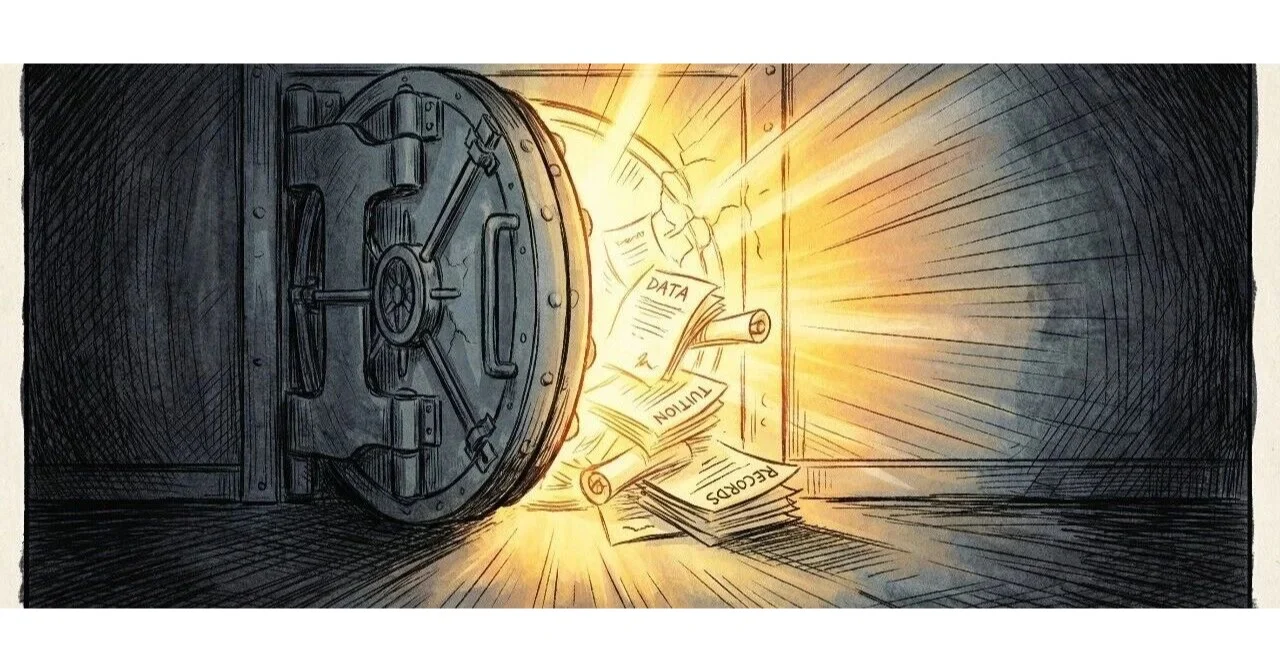
San Diego Private Schools: Bishop's vs Parker vs LJCDS
Compare Bishop's, Francis Parker, and LJCDS by grade span, tuition, application requirements, and family fit using current official school sources.
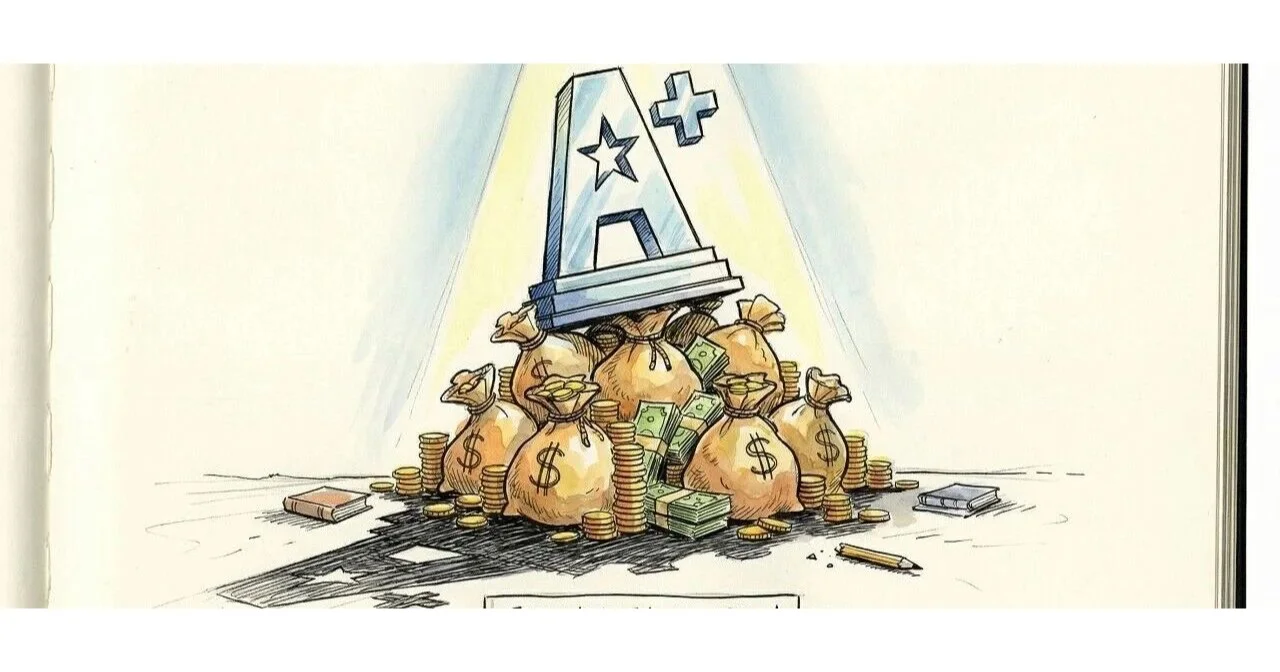
San Diego School Rankings Are Misleading: A Metric That Changes Everything
Niche A+ ratings and GreatSchools 10/10 may reflect community wealth, not school quality. VOSD's new Income vs. Test Score Metric, developed with UCSD, reveals the truth about SDUHSD's four high schools — CCA at +90.93 stands alone, while TP, SDA, and LCC all sit within the ±25 normal range.