How do Homestay Kids Live Everyday? Revealing the Real Daily Life in San Diego

Short answer: In the San Diego Homestay program, a child's day runs along three lines — meals, academics, and emotional well-being. Meals are matched to each child and account for nutrition and allergies; academics include daily homework checks, pre-exam planning, and communication with the school; and on the emotional side, host families watch for early signs and sync with program teachers and parents when needed. Most children gradually stabilize within 1–2 weeks of arrival.
Many parents worry when sending their children to the US: Will they be well taken care of in a homestay? How is the food? Is there academic supervision? Are they emotionally stable? will they be lonely?
Today, we reveal the detailed, authentic daily life of students in our San Diego Homestay program.
Meals: Not Just "Full", But "Nutritious and Right"
EdCommGlobal homestays are matched based on each child's characteristics. Dietary management isn't about fast food; it's about providing a nutritional structure suitable for growing teenagers. We communicate and adjust for picky eaters, allergies, and special dietary needs in advance.
Many children eventually adapt after 1-2 weeks, seeing a noticeable stability in their daily routine.

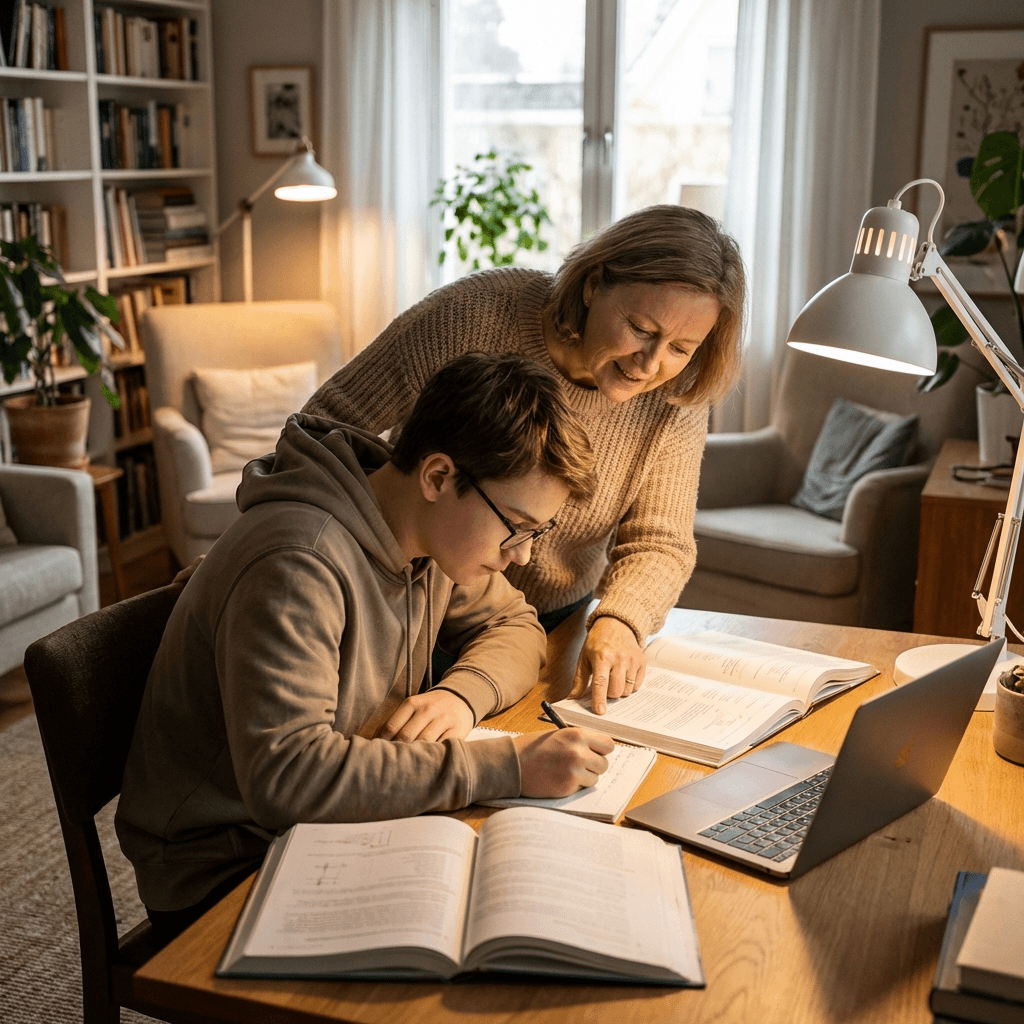
Academics: Not "Hands-Off", But Supervised and Supported
This is a top concern for parents. In the San Diego Homestay system, we provide:
- Daily Homework Checks
- Pre-exam Review Planning
- Communication with School Teachers/Counselors
- Arranged Support When Needed: Subject tutoring, English writing assistance, study method adjustments.
We don't do the homework for them; we teach them self-management in learning, which is crucial, especially for students who have just arrived.
Mental Health: Being "Seen", Not Ignored
For many children leaving home for the first time, the real challenge isn't studying, but psychological adaptation. Our homestays pay close attention to signs of:
- Low mood
- Sleep abnormalities
- Changes in appetite
- Social withdrawal
If abnormalities are detected, we communicate with the child individually, provide feedback to program teachers, and sync with parents if necessary. We don't wait for problems to arise; we observe and intervene early.
Weekends: San Diego's Sunshine Isn't Just for Show
On weekends, children don't just stay in their rooms scrolling through their phones. Common activities include:
- Beach walks/hiking
- National Park & Community Park activities
- Watching musicals and stage plays
- Live MLB baseball games
- Dining out with the host family
This helps them integrate into American family and community life faster and more naturally.

Family Time: Not a Tenant, But a Family Member
The most profound feedback from many children is: "I'm not just boarding; I'm really living in a home."
- Weekend Family BBQ
- Holiday Gatherings (Thanksgiving, Christmas, Birthdays)
- Watching games, chatting, and cooking together
These seemingly ordinary moments have a huge impact on a child's language skills, confidence, and sense of security.
Arrival & Adaptation: From "Stranger" to "Settled"
From the moment the child lands:
- Airport Pickup & Settlement
- Homestay Matching
- School Transition
- English Environment Transition
- establishing a Life Rhythm
San Diego Homestay provides a "Continuous Companionship" support system, not a one-time arrangement.
Final Thoughts: Why Choose San Diego Homestay?
Because we don't just solve "where to live", we ensure:
Academics are watched, life is managed, emotions are understood, and growth is accompanied.
In a city like San Diego with a comfortable pace and high-quality educational resources, a good homestay + professional management can help children avoid many detours and empower their life in the US!
FAQ
Will my child eat well in a homestay?
Homestays are matched based on each child's characteristics, and dietary management aims for a nutritional structure suitable for growing teenagers, with picky eating, allergies, and special dietary needs communicated and adjusted in advance. Many children take time to adjust at first, but typically see a noticeable stability in their routine after 1–2 weeks.
Is there academic supervision in a homestay?
In the San Diego Homestay system we provide daily homework checks, pre-exam review planning, and communication with school teachers and counselors, plus subject tutoring, English writing assistance, and study-method adjustments when needed. The goal is not to do the homework for them but to teach self-management in learning — which is especially crucial for students who have just arrived.
What happens if my child feels low or lonely?
Host families pay attention to signs such as low mood, sleep abnormalities, changes in appetite, and social withdrawal. If abnormalities are detected, they communicate with the child individually, provide feedback to program teachers, and sync with parents when necessary. The principle is to observe and intervene early rather than waiting for problems to arise.
What do weekends and family time usually look like?
Common weekend activities include beach walks and hiking, national and community park outings, watching musicals and stage plays, live MLB baseball games, and dining out with the host family; at the family level there are also weekend BBQs and holiday gatherings (Thanksgiving, Christmas, birthdays). These everyday moments have a meaningful impact on a child's language skills, confidence, and sense of security.
Want to know more details about homestays? Please view our Accommodation page or Contact Us.
Related reading

How to Keep Your Child's Chinese Strong After Moving Back to the US
How to maintain your child's Chinese language skills after returning to the US for school.
San Diego Living Guide for Chinese Families: Safety, Community, and Daily Life
A practical guide to living in San Diego for Chinese families with school-age children.
Your Child's First Semester in America: What to Expect and How to Prepare
A month-by-month guide for US-born children transitioning from Chinese schools to American high schools.