Why Grade 8 Is the Golden Window for US-Born Children Returning to America

Short answer: Grade 8 is often the most efficient transition window for US-born children returning to American schools because it leaves time for English reading, math placement, social adjustment, and high-school record planning. It is not a universal rule; the right timing depends on reading level, math track, family support, and public/private school availability.
Who this is / is not for
| Family situation | Is Grade 8 a strong first-choice window? | EdCommGlobal judgment |
|---|---|---|
| The child has a stable Chinese-language foundation and needs one year to transition in English reading and writing | Yes | Grade 8 keeps the language-adjustment year before the high-school GPA record starts. |
| The child is strong in math and hopes to enter a higher math track in Grade 9 | Yes | Families still need to verify the target district or school’s current math-placement policy; placement is not guaranteed. |
| Parents can provide US-based accompaniment, guardianship, or stable housing | Yes | Daily support and school communication matter as much as academic readiness. |
| The child already has strong academic English and a well-fit private-school offer | Not necessarily | Compare Grade 8 entry, direct Grade 9 entry, and private-school bridge options before deciding. |
| Visa, tax, guardianship, residence, or address documentation is still unresolved | Not by grade alone | Resolve legal/tax/guardianship documentation and school enrollment requirements first. This article is not legal, immigration, or tax advice. |
Decision table
| Decision factor | Parent question | Source to verify |
|---|---|---|
| English transition | Can the child independently read history, biology, and English literature materials? | Current school reading level, target school ELL/ELPAC or English assessment requirements |
| Math track | Does the target school allow new students to take math placement? What track can placement lead to? | District/school course catalog, counselor guidance, current placement policy |
| High-school GPA | Will the transition year be pushed into the Grade 9 transcript? | Target high-school transcript policy, college-prep course expectations |
| Social and daily support | Who handles transportation, health issues, school emails, and emergencies? | Family support plan, guardianship documents, housing arrangement |
| Long-term college planning | Can California residency, A-G, AP/Honors, and activities be planned together? | UC Admissions, school counselor, tax/legal professionals |
Verification date: 2026-06-04. This article is education-planning guidance. Seat availability, course placement, visa, tax, and residency requirements must be confirmed with current official sources and qualified professionals.
Our child is US-born. They're in a Chinese public school (or international school). When's the best time to come back to America?
This is the most common question we get at EdCommGlobal.
Come back too early, and you worry about Chinese language fluency — and the disruption to your career back home. Come back too late, and you worry about keeping up with the pressure of US high school, plus missing the California resident status window.
After working with many US-born Chinese families (USCFs), our recommendation is clear: Grade 8.
1. Why Grade 8?
In the US (specifically California / San Diego), the typical structure is: elementary (K-6), middle school (7-8), high school (9-12).
Grade 8 is the final year of middle school. Returning at this point gives you three major advantages.
Advantage 1: academic "leverage" and seamless transition
- Math placement testing. San Diego public middle schools (like Pacific Trails Middle School) run math placement tests before the end of Grade 8.
- The opportunity for Chinese students. A child who completed Grade 8 (初二) in China typically has a significantly stronger math foundation than US peers. Returning at this point and sitting for the placement test, they have a high probability of skipping regular math and entering Integrated Math II Honors — or higher — at the start of Grade 9.
- The butterfly effect. That single step ahead means your child can finish AP Calculus BC by junior year (Grade 11), freeing senior year for advanced statistics or college math — a powerful signal for STEM applications.
Advantage 2: social "team upgrade"
- Social safety. Grade 9 is the start of high school. Every student gets reshuffled into new classes. If your child enters in Grade 8 and spends a year building friendships in middle school, they head into high school together with friends — and that feeling matters.
- Low cost of trial and error. Middle school GPA doesn't count toward college applications. Grade 8 gives your child a full year to adjust to English, make mistakes, calibrate study methods — all without affecting future grades.
2. The cost of missing Grade 8
Returning in Grade 9: hard landing
- GPA starts counting. US high school Grade 9 grades go directly onto your college application GPA. If your child is still adjusting to English and earns a B or C in history or biology, that follows them all the way to college admissions.
- The ELL trap. Many students returning in Grade 9 fail the English assessment and get placed in ELL (English Language Learner) support classes. That blocks them from taking challenging Honors courses, capping their GPA ceiling from day one.
Returning in Grade 10: critical line
- Residency status risk. To be classified as a "California tax resident" for college applications, you typically need to be on the ground 366+ days in advance. Returning in Grade 10 leaves just enough time for parents to handle home purchase and tax filing.
- Course pressure. Grade 10 is the AP ramp-up. A child parachuting in must clear the language barrier and tackle reading-heavy APs like AP US History (APUSH) simultaneously. The mental load is substantial.
Recommendations by scenario: how San Diego families can plan
Whether you're "early" or "late," San Diego has a path for you.
- Golden window (Grade 8): target a Carmel Valley public middle school like PTMS or CVMS. Use the year to close the gap on English speaking and writing while keeping the math advantage.
- Silver window (Grade 9): the summer between Grade 8 and Grade 9 is critical. Use bridge programs or community college prep courses to get the child into American classroom discussion mode.
- Bronze window (Grade 10): consider a private high school (like Cathedral Catholic) — the more personalized attention helps with a smoother transition. Or use the community college transfer track for a back-door route.
Source and data verification notes
| Topic | Source to verify | How this article uses it |
|---|---|---|
| School policies, deadlines, and seat availability | Official school website, admissions-office email, current application portal | These can change annually; this article provides a planning framework, not an official school decision. |
| Public district residency, transfer, and course rules | District enrollment/transfer pages, California Department of Education, school counselor guidance | Eligibility and placement must be confirmed by the current district or school. |
| College admissions, A-G, and course requirements | UC Admissions, Common App/college websites, school transcript policy | This article explains planning logic and does not guarantee admission outcomes. |
| Guardianship, visa, tax, or legal matters | Government pages, school requirements, licensed attorney/CPA advice | This is not legal, immigration, or tax advice; families should confirm critical documents with professionals. |
| EdCommGlobal judgment | Family-service experience, school visits, and cross-checked public information | This is consultant interpretation to help parents ask better questions, not an official source. |
FAQ
What's the best grade for a US-born child (meibao) to return to America for school?
Grade 8. That year captures the San Diego public middle school math placement advantage, while completing English transition before the Grade 9 GPA clock starts. Returning in Grade 9 is "catch-up." Grade 10 is "sprint."
What is Pacific Trails Middle School (PTMS) math placement?
San Diego public middle schools (PTMS, CVMS, and others) run a Math Placement Test before the end of Grade 8 to decide which math course you enter in Grade 9. A child who completed 8th grade in China usually has a significantly stronger math foundation than US peers — they have a high probability of skipping standard math and entering Integrated Math II Honors or higher at the start of Grade 9.
How does a US-born child shed the ELL label after returning?
Through the ELPAC (English Language Proficiency Assessments for California). Once the student passes, the school does Reclassification. You must shed this label by the end of Grade 8 — walking into Grade 9 still classified ELL means you can't enroll in advanced English or history courses, which caps your GPA ceiling from day one.
Is it too late to return to America in Grade 10?
This is the "critical line." Two specific issues: (1) California tax resident status usually requires being on the ground 366+ days in advance — Grade 10 leaves just enough time; (2) Grade 10 is the AP ramp-up, and a "parachute" return has to clear the language barrier and tackle reading-heavy APs like AP US History (APUSH) at the same time. Consider a private high school like Cathedral Catholic, or the community college transfer route.
School district home vs. private school — how should US-born families choose?
By return grade:
- Grade 8: public middle school PTMS / CVMS (the golden window).
- Grade 9: must use the summer between Grade 8 and Grade 9 for a bridge program.
- Grade 10 and after: consider private (Cathedral Catholic and others) or the community college transfer path.
Final word
Returning isn't just changing schools. It's changing the entire growth logic.
Grade 8 is composure. Grade 9 is catch-up. Grade 10 is sprint.
If your child is in upper elementary or early middle school, this window of the next year or two matters. Not just for a better college offer — but to let your child find the most comfortable balance between two cultures.
This is EdCommGlobal (澄学社). We're in San Diego, supporting US-born families through the return journey.
Related reading in the Meibao 2026 series:
- The US-Born Family Roadmap for Grades 6–10: What to Prepare and Decide Each Year
- Complete Cost Guide: Sending Your US-Born Child Back to America for High School
- Your Child's First Semester in America: What to Expect and How to Prepare
- How to Keep Your Child's Chinese Strong After Moving Back to the US
- The Hidden GPA Killer for US-Born Returnees: It's Not English Class — It's History
- Legal Guardianship for US-Born Children Studying in America: What Parents Must Know
- Parent Visa Options When Your US-Born Child Returns to America for School
- How Returning to the US for High School Boosts Your Child's College Chances
- Video: Why Grade 8 Is the Golden Window for US-Born Children Returning to America
- The full Meibao 2026 series
Related reading
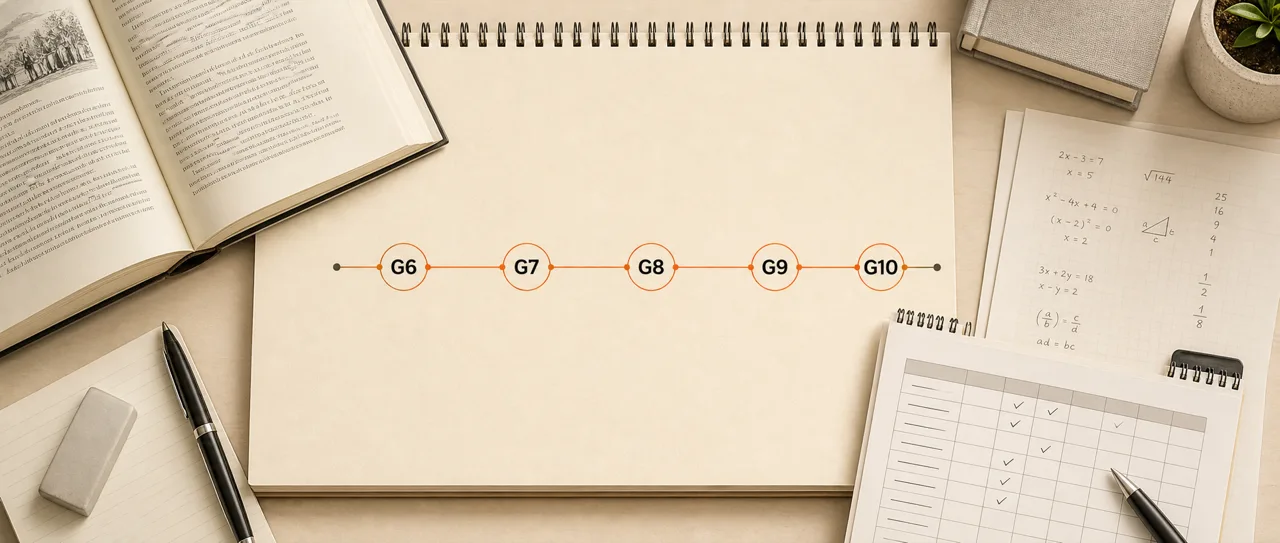
The US-Born Family Roadmap for Grades 6–10: What to Prepare and Decide Each Year
Grade 8 is the golden window, but return timing is not just one grade decision. This guide breaks down grades 6-10: what to prepare, what to decide, and what to verify each year for US-born families planning the middle-to-high-school transition.

US-Born Child at Age 10: A Return-to-U.S. School Roadmap
A grade-by-grade roadmap for US-born children at age 10: what to prepare now, when to return, and how school choices shape college readiness.

Video: Why Grade 8 Is the Golden Window for US-Born Children Returning to America
A short EdComm video explaining why Grade 8 is often a calmer return window for US-born children than Grade 9 or Grade 10, with an embedded YouTube player and full transcript.